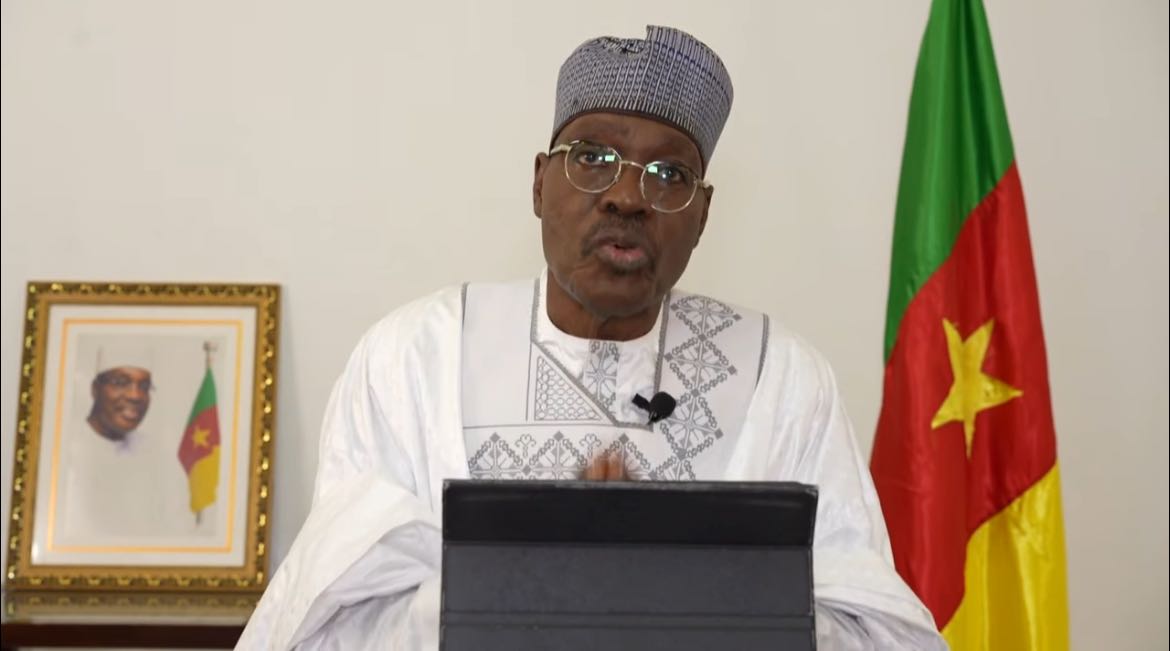
As Cameroon approaches its October 12 presidential election, the campaign period has exposed profound divisions within society, security concerns, and challenges to the electoral process.
By Magnus Ful

A Divided Society
The presidential campaign in Cameroon has highlighted significant societal divisions. The 92-year-old incumbent, President Paul Biya, seeks an eighth term, while his daughter, Brenda Biya, publicly declared her refusal to vote for him, citing widespread suffering under his rule. Although she later retracted her statement, the incident underscored the deepening generational and ideological rifts within the country.
Opposition candidates, including Issa Tchiroma Bakary, Bello Bouba Maigari, Cabral Libii, and Joshua Osih, have emerged, each representing different facets of Cameroonian society. Tchiroma Bakary and Maigari bring experience and regional support, while Libii and Osih appeal to younger voters seeking change. Despite their efforts, the opposition remains fragmented, struggling to present a unified challenge to Biya’s long-standing rule.
Security Concerns and Electoral Integrity
Security issues have intensified as the election approaches. Armed separatist groups in the Anglophone regions have imposed lockdowns to disrupt the electoral process, leading to heightened tensions and fears of violence. These developments have raised concerns about the safety of voters and the integrity of the election.
The exclusion of prominent opposition figure Maurice Kamto from the ballot has further eroded trust in the electoral system. Critics argue that the disqualification undermines the principles of democracy and fairness. Additionally, reports of attacks on journalists and restrictions on press freedom have raised alarms about the suppression of dissenting voices and the free flow of information.

Economic Uncertainty
The political climate has also affected economic stability. Investors are closely monitoring the situation, with concerns about potential unrest and its impact on the economy. The government’s handling of the electoral process, including the disqualification of opposition candidates and restrictions on media coverage, has raised questions about its commitment to democratic principles and the rule of law.
Outlook
As the election date approaches, the political and social landscape in Cameroon remains tense. The divisions within society, security challenges, and concerns about the electoral process pose significant risks to the country’s stability. The international community continues to call for free, fair, and credible elections, urging all parties to respect democratic norms and ensure the safety and rights of all citizens. The coming days will be crucial in determining the future direction of Cameroon and its commitment to democratic governance.