Born amid crisis in 2016, the Diocese of Kumba shows growth, resilience, and pastoral innovation as Catholic bishops meet there for Cameroon’s 49th annual seminar.
By Magnus Ful
Growth Born in Crisis
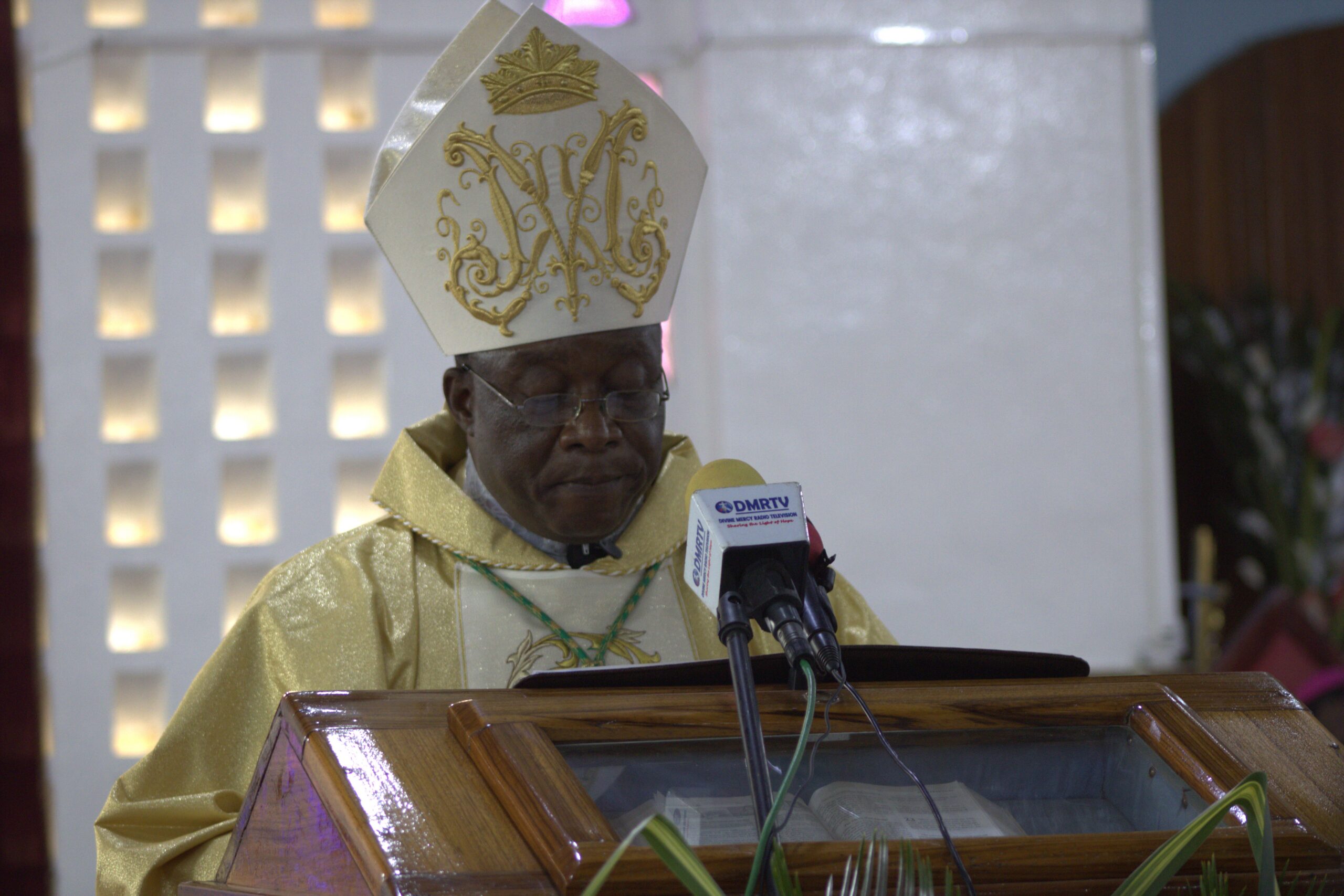
Created on 15 March 2016, the Diocese of Kumba is one of the youngest Catholic dioceses in Cameroon. Bishop Agapitus Nfon was installed on 7 May 2016, only months before the Anglophone crisis began. At its creation, the diocese had 21 parishes, two pastoral zones, and 36 priests. Today, it has grown to 26 parishes, three pastoral zones, 72 priests, and 68 major seminarians. “From the point of view of vocations, the progression is remarkable,” the bishop said, attributing the growth to God’s grace.
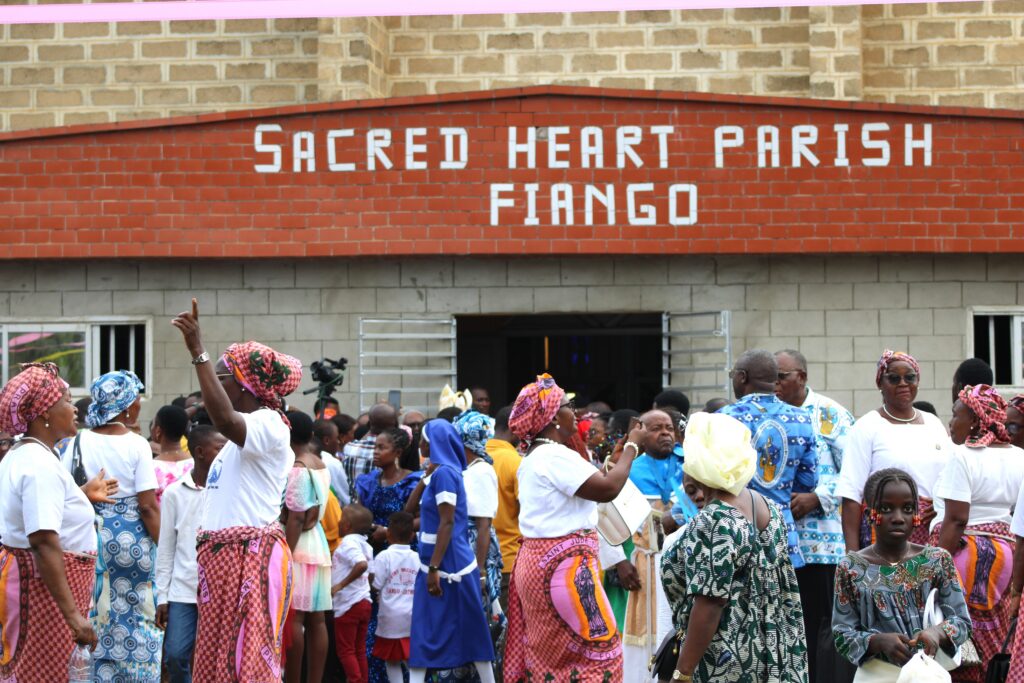
The diocese covers Ndian, Meme, and a large part of Koupe Manenguba Divisions, regions marked by difficult terrain and weak infrastructure. Poor road networks, especially in Ndian, continue to hinder pastoral work. These challenges intensified with the sociopolitical crisis. “In a way, the Diocese of Kumba was born with the crisis,” Bishop Nfon observed. At the peak of the conflict, about 12 parishes were closed. They have since reopened as security gradually improves and communities return.
Faith, Prayer, and Shared Responsibility
Throughout the crisis, the clergy remained with the people. “The priests did not run away. The people fled, but the priests stayed,” the bishop said. Several priests relied entirely on diocesan support, sustained by what he described as the exceptional generosity of the faithful.
Despite poverty and insecurity, spiritual life has deepened. The diocese, consecrated to the Sacred Heart of Jesus, has restored the First Friday devotion in all parishes. “Today, no parish is missing it,” Bishop Nfon said. Marian movements, the Catholic Charismatic Renewal, and other prayer groups remain active and well attended.
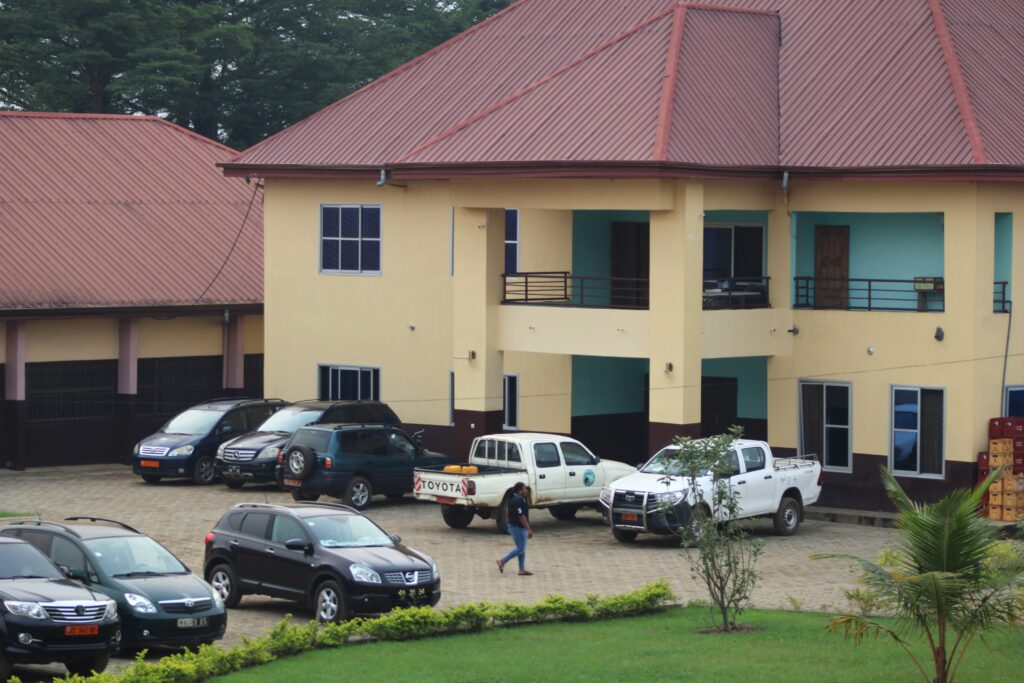
Pastoral governance follows the Provincial Pastoral Plan of the Ecclesiastical Province of Bamenda. It emphasizes Small Christian Communities and shared responsibility between clergy and laity. Each parish runs commissions for education, health, finance, and development. “The priest cannot be an expert in everything,” the bishop explained, highlighting the role of competent lay faithful.
Education, Health, and Hope for the Future
Education and healthcare are central to the diocese’s social mission. Catholic primary schools have been renovated, with improved classrooms, water systems, and hygiene standards. These efforts have restored confidence among parents and communities.
Healthcare services have also expanded. Saint Michael Health Centre in Bazeng was revived after years of decline, while Saint John Health Centre in Kumba has recorded steady improvements. With support from partners in Germany, the diocese acquired a CT scanner and digital X ray equipment, a major boost for healthcare in the South West Region. An ophthalmology unit is also being prepared. “Here, health is not a matter of profit, but of service,” Bishop Nfon stressed.
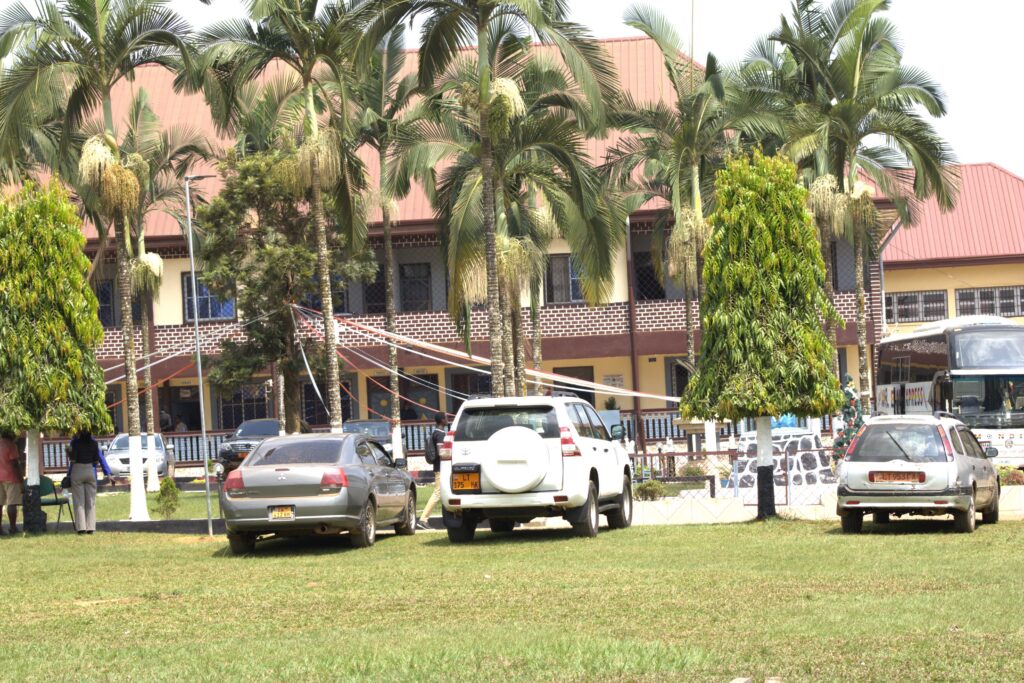
While local needs remain significant, the Diocese of Kumba continues to contribute priests to national and international missions, including Europe and the United States. “One does not need to have everything in abundance to practice charity,” the bishop said, underlining the universal mission of the Church.
The Diocese of Kumba hosted the 49th Annual Seminar of the Bishops of Cameroon from 3 to 10 January 2026. The meeting coincided with the tenth anniversary of the diocese and was widely viewed as a strong sign of hope after years of insecurity. If peace is sustained, the diocese plans to create up to seven new parishes within the next five years, while continuing its commitment to faith, service, and development in Cameroon.