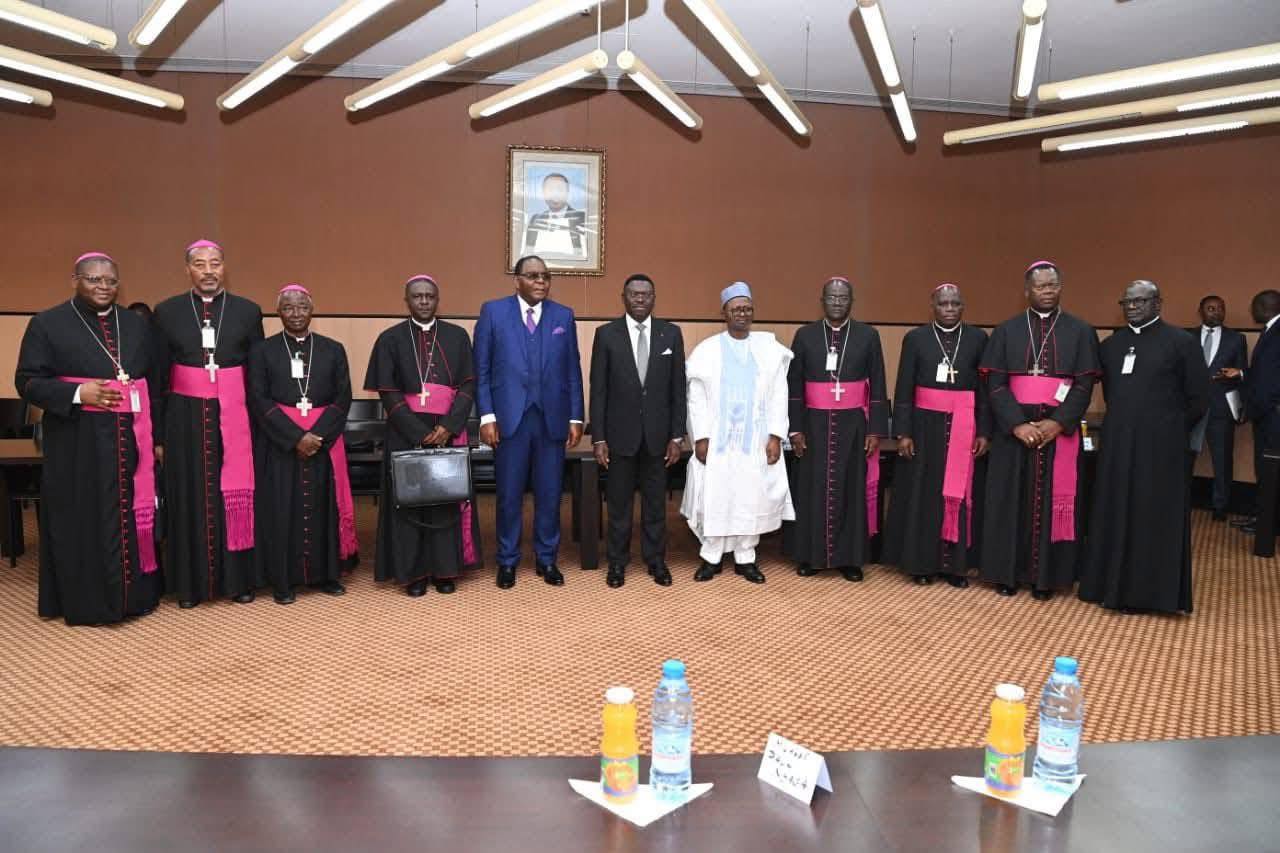
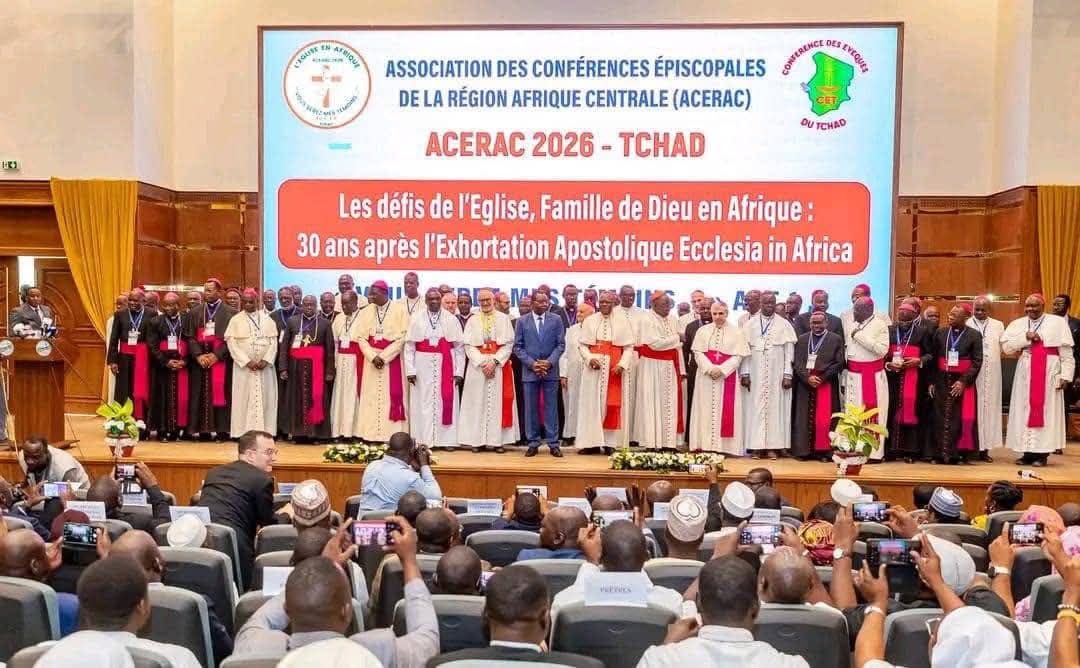
Catholic bishops from Central Africa opened decisive deliberations in N’Djamena on 26 January 2026, reflecting on thirty years of Ecclesia in Africa and regional pastoral priorities.
By Magnus Ful | with Contributions from the Dioceses of Obala, Mbalmayo, and Bafousam
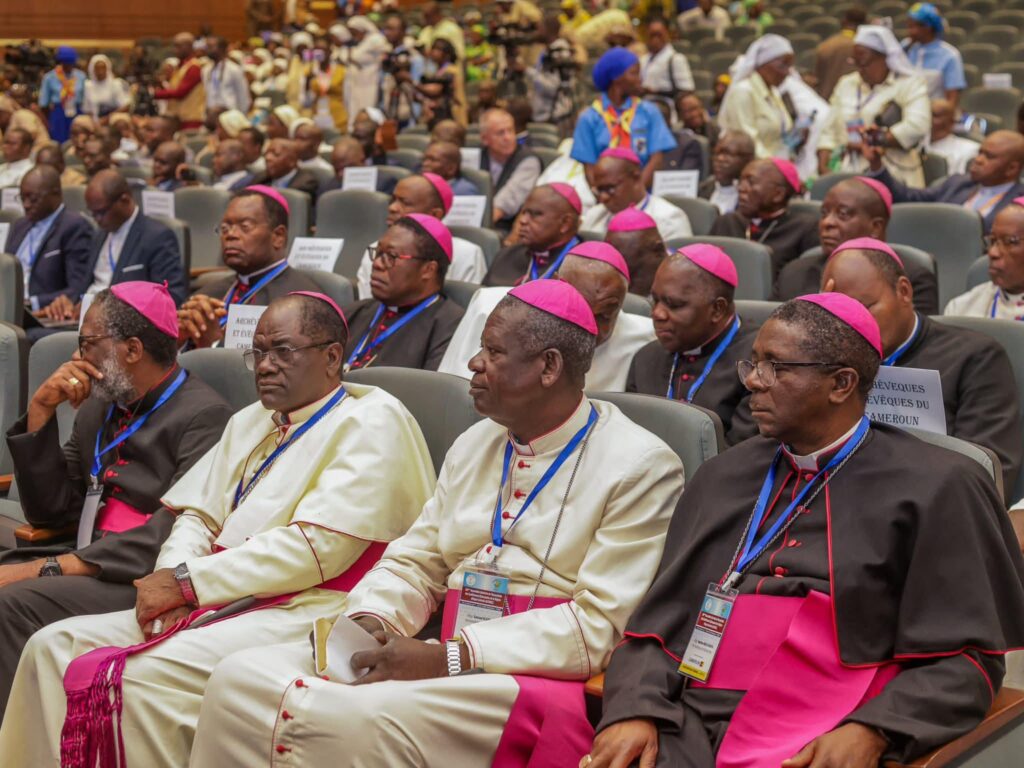
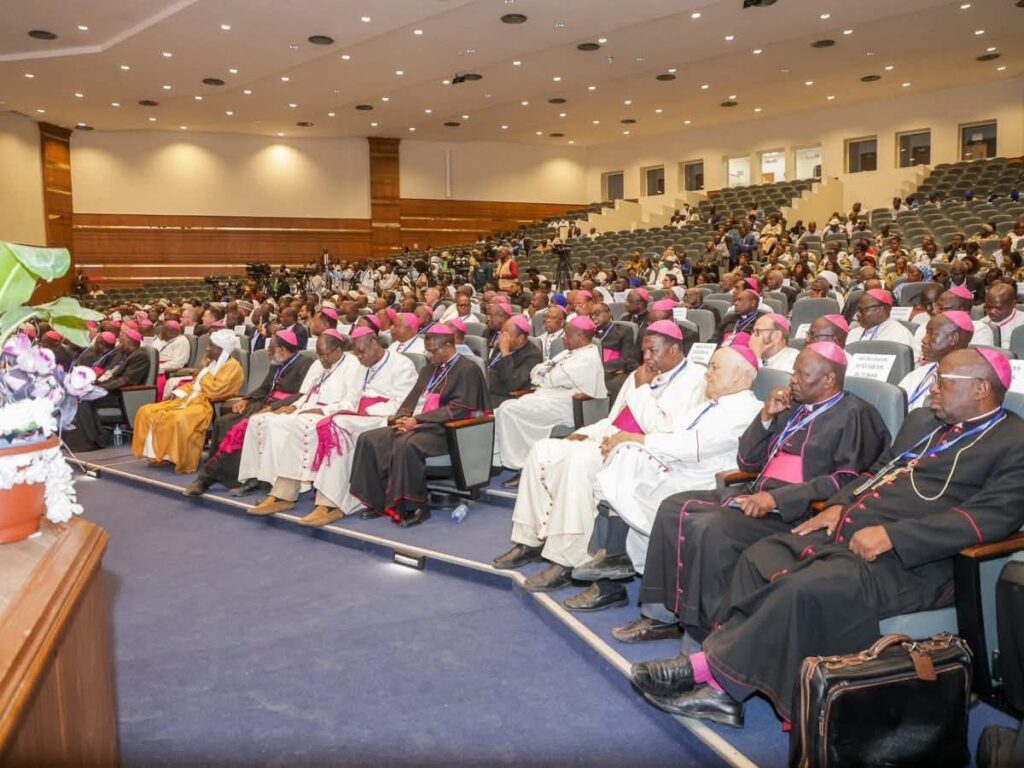
The 13th Plenary Assembly of the Association of Episcopal Conferences of the Central Africa Region (ACERAC) officially opened on Monday, 26 January 2026, in N’Djamena, Chad. The ceremony took place at the Ministry of Foreign Affairs, bringing together Church leaders and public authorities.
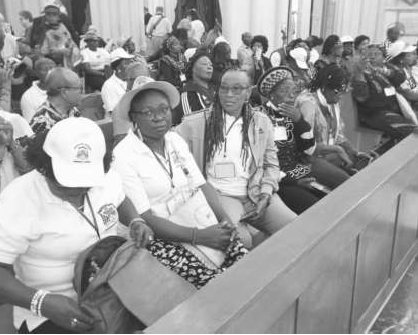
The Assembly runs from 25 January to 1 February 2026. It gathers cardinals, bishops, priests, religious men and women, and lay experts from Cameroon, Chad, Gabon, the Central African Republic, Congo-Brazzaville, Equatorial Guinea, and the Holy See. Government officials and leaders of other religious confessions also attended the opening.
Held under the theme “The challenges of the Church, Family of God in Central Africa, 30 years after Ecclesia in Africa,” the Assembly aims to assess the Church’s pastoral journey and its response to today’s challenges.
A Church Called to Reconciliation and Hope
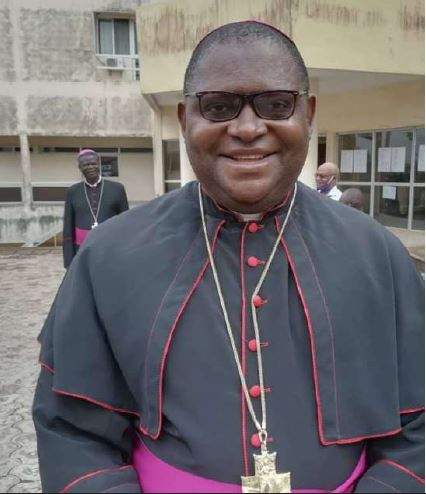
During the opening session, Fridolin Cardinal Ambongo Besungu, Archbishop of Kinshasa and President of the Symposium of Episcopal Conferences of Africa and Madagascar (SCEAM), delivered a strong and reflective address. He recalled that Ecclesia in Africa, published in 1995 by Saint John Paul II, remains a key reference for the Church on the continent.
According to Cardinal Ambongo, the vision of the Church as Family of God is more relevant than ever. Central Africa continues to face armed conflict, social fragmentation, fragile governance, and humanitarian crises. He stressed that these realities demand a renewed commitment to reconciliation, justice, and peace.
He also called for deeper formation of clergy and laity, stronger synodal governance, and a credible Christian witness. His message follows the direction set by Africae Munus of Pope Benedict XVI and aligns with continental priorities supported by the Holy See https://www.vatican.va and the SCEAM https://secam.org.
Governance and the Church’s Regional Impact
Discussions during ACERAC 2026 place strong emphasis on governance and credibility. Bishops are examining how transparency, accountability, and responsible leadership can strengthen the Church’s mission in Central Africa.
Cardinal Ambongo emphasized that the Church must remain close to the people, especially the poor, displaced persons, and victims of violence. Financial autonomy and the empowerment of local communities were identified as essential for sustainable pastoral action.
The presence of senior state officials at the opening ceremony highlighted the Catholic Church’s role as a trusted partner in peacebuilding, dialogue, and social cohesion. Updates on ACERAC activities are shared through regional Church communication platforms, including nofollow references to independent ecclesial media sources.
As the Assembly continues until 1 February 2026, ACERAC reaffirms its commitment to shaping a Church that is rooted in faith and actively engaged in responding to the realities of Central Africa.