The death of journalist Martinez Zogo continues to raise serious questions about justice, accountability and press freedom, testing Cameroon’s commitment to the rule of law.
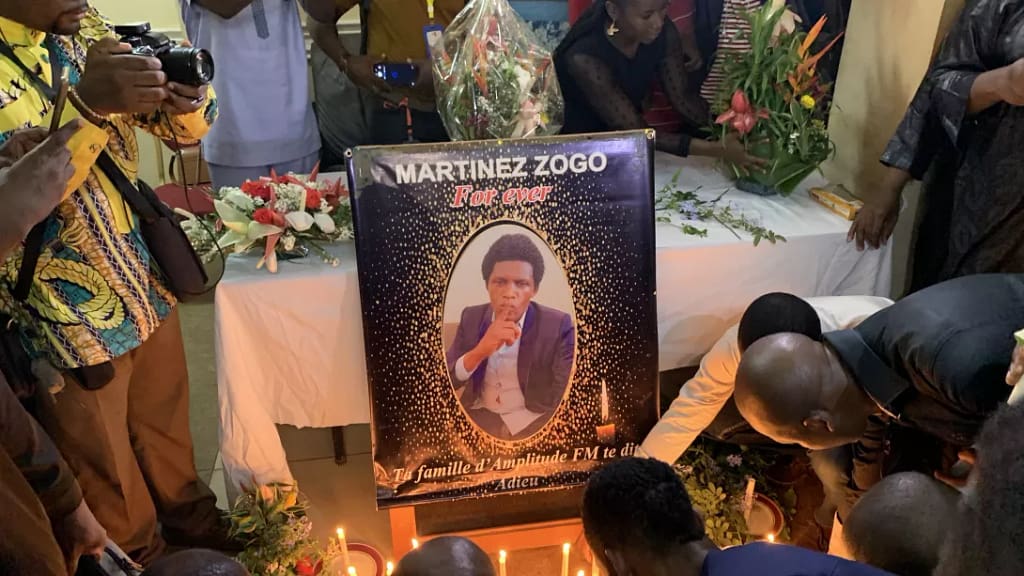
The killing of investigative journalist Martinez Zogo remains one of the most troubling cases in Cameroon’s recent history. Beyond the grief of his family, it has become a matter of national concern. The case speaks directly to the protection of life, respect for human dignity and the safety of journalists.
This is not an ordinary criminal case. It touches on fundamental rights guaranteed by Cameroonian law and by international instruments ratified by the State. These include the right to life, the prohibition of torture and the freedom to inform the public.
Reports surrounding Mr Zogo’s arrest, detention and death have raised serious questions. Allegations of secret detention and torture, followed by the discovery of his body, point to possible serious failures within State institutions.
State obligations under national and international law
Cameroon is a party to the African Charter on Human and Peoples’ Rights. The Charter guarantees the right to life and clearly prohibits torture and inhuman treatment. These rights admit no exception.
International human rights law also imposes clear duties on States. Authorities must investigate serious violations promptly and independently. Those responsible must be prosecuted, regardless of their position. Failure to investigate properly is itself a violation.
Where allegations suggest the possible involvement of security or intelligence services, the responsibility of the State is directly engaged. Such cases demand transparency and accountability in order to preserve public trust.
Press freedom and the impact on society
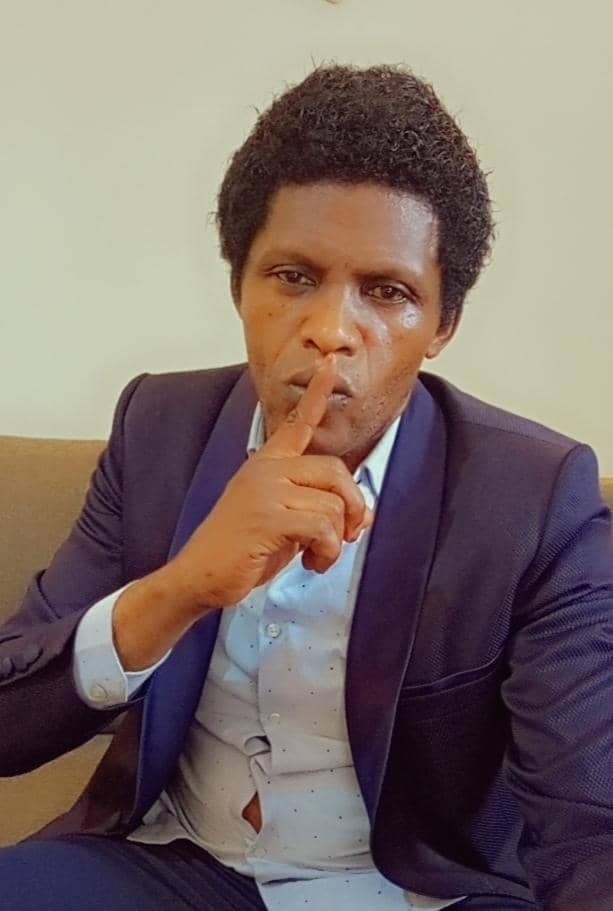
Martinez Zogo was known for his outspoken journalism and public commentary. His death has therefore raised concerns beyond his individual case. When a journalist is silenced through violence, the effect is felt across the media community.
African and international bodies have repeatedly warned that attacks on journalists harm society as a whole. Fear and self-censorship can follow, weakening public debate and access to information.
Protecting journalists is not a privilege. It is an essential condition for informed citizenship and democratic life.
The question of justice and accountability
The decision to bring the case before a military tribunal has generated public debate. African human rights jurisprudence has often cautioned against military courts handling cases involving civilians and alleged abuses by State agents.
Justice must not only be done. It must be seen to be done. Public confidence depends on the independence and transparency of judicial proceedings.
Accountability cannot stop at lower-level actors alone. International law recognizes responsibility at all levels, including those who planned, ordered or covered up violations, if evidence so establishes.
Justice in the Martinez Zogo case goes beyond punishment. It also calls for truth, reparations for the family and measures to prevent repetition. At stake is the credibility of institutions and the protection of fundamental freedoms.
The outcome of this case will send a clear message. It will show whether the law protects all citizens equally, or whether silence is safer than truth.
Justice in the Martinez Zogo case remains a legal and moral duty.
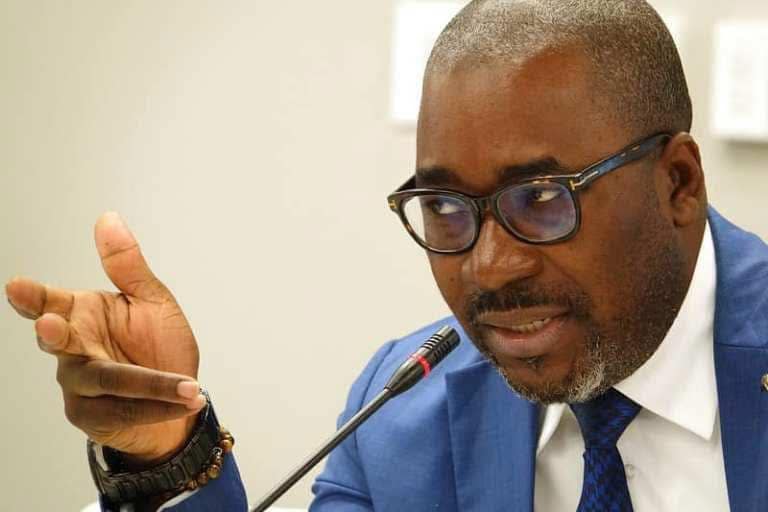
Barrister Nkongho Felix Agbor, President of the Centre for Human Rights and Democracy in Africa.