A week after Cameroon’s presidential vote, social media remains charged with claims, denials, and fact-checks, revealing deep public divisions as citizens await official confirmation of the country’s next leader
By Magnus Ful
Social media platforms have become the main arena for public reaction following Cameroon’s October 12 presidential election. A monitoring exercise by L’Effort Camerounais, combined with third-party data, found five dominant viewpoints shaping the online debate between October 12 and 18.
Opposition Claim Sparks Celebration
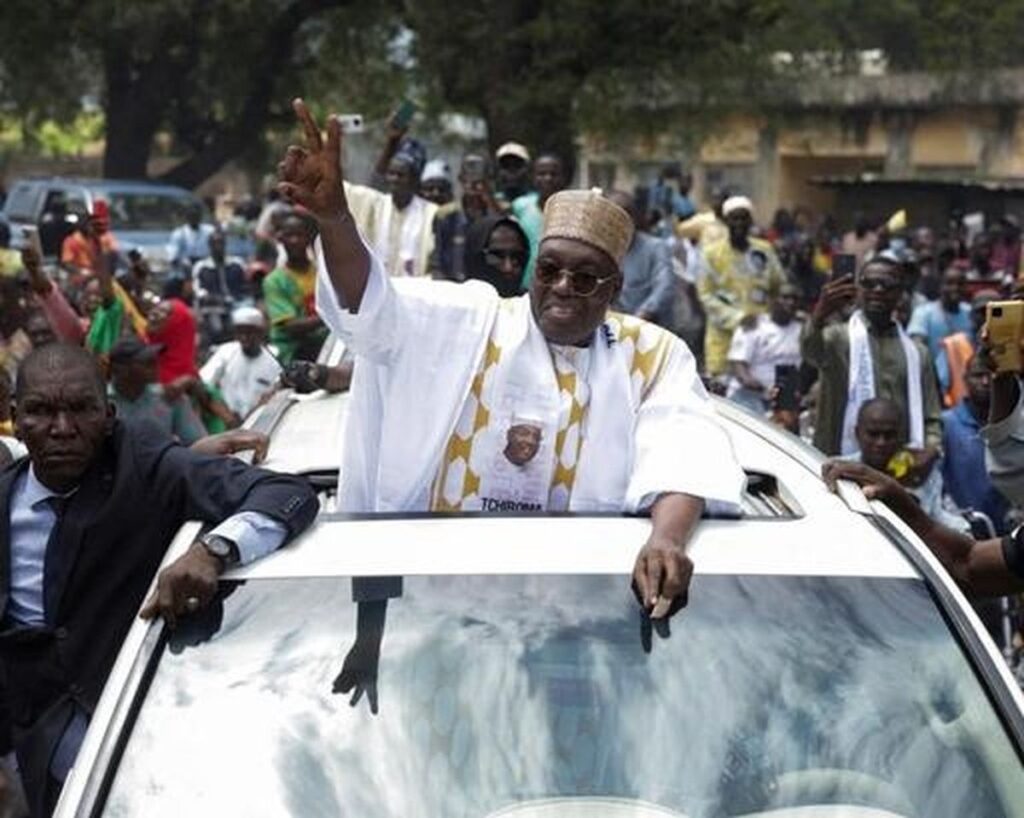
The loudest conversation, representing nearly one-third of total posts, emerged after opposition candidate Issa Tchiroma Bakary released a video on October 14 declaring victory. Supporters flooded X, Facebook, and Telegram with messages like “We won, respect the people’s choice” and celebratory videos from diaspora communities. One viral French post read, “Le peuple a choisi, qu’on respecte sa voix.” Most messages in this cluster carried optimistic tones, though fact-checkers flagged several unverified tallies.
Ruling Camp Pushes Back
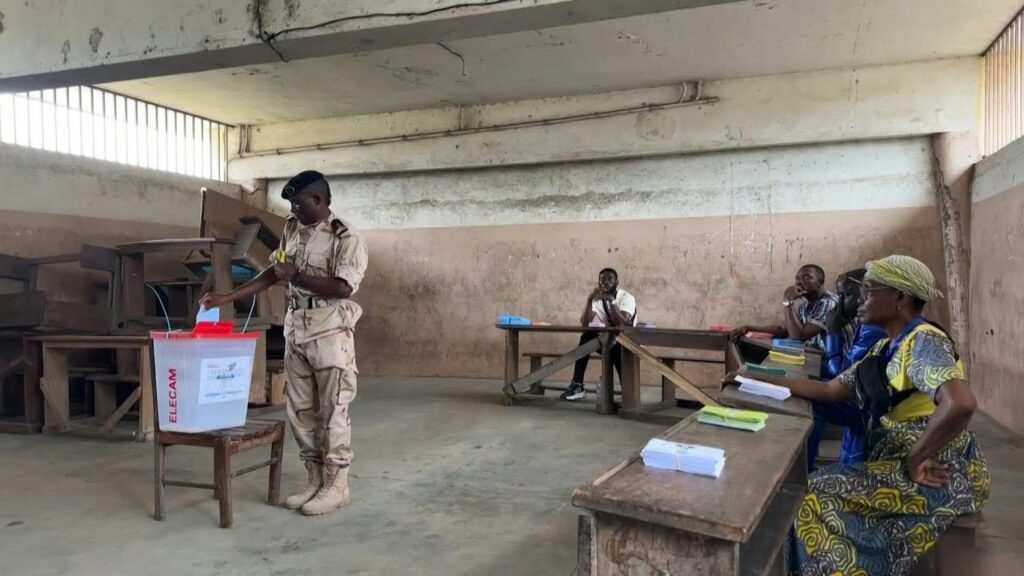
Pro-government voices quickly responded, urging patience until official results are announced. Posts tagged with “#RespectTheLaw” and “#WaitForElecam” dominated ruling party pages, stressing legality and order. “Only the Constitutional Council can declare a winner, patience,” wrote one widely shared account. Government-affiliated communicators also warned against what they termed “attempts to destabilize public order.”
Irregularities and Calls for Calm
Roughly 20 percent of online content focused on alleged voting irregularities. Users shared videos claiming ballot tampering, while others called for investigations. “Urnes vides puis pleines deux heures plus tard,” read one French caption. Yet, a parallel stream led by journalists and civil society groups countered this tone by urging citizens to “verify before sharing.” These posts, largely neutral, emphasized information accuracy and discouraged panic.
Regional Tensions Resurface
Posts from conflict-affected regions linked the election to security concerns. Some users lamented low turnout in the Northwest and Far North, with others reporting isolated incidents. Analysts noted that such discussions often revived old divisions around participation and representation.
Across all platforms, the overall sentiment leaned negative to neutral, shaped by mistrust and impatience rather than celebration. Analysts say this reflects a growing gap between digital narratives and the slow pace of official communication.
As one local observer posted, “People are tired of waiting for clarity. Silence breeds confusion.”
L’Effort Camerounais will publish a detailed breakdown of these findings, including verified data and expert commentary, in its October 2025 edition. Readers can follow updates on www.effortcamerounais.com and on our official social media pages for continuous coverage.