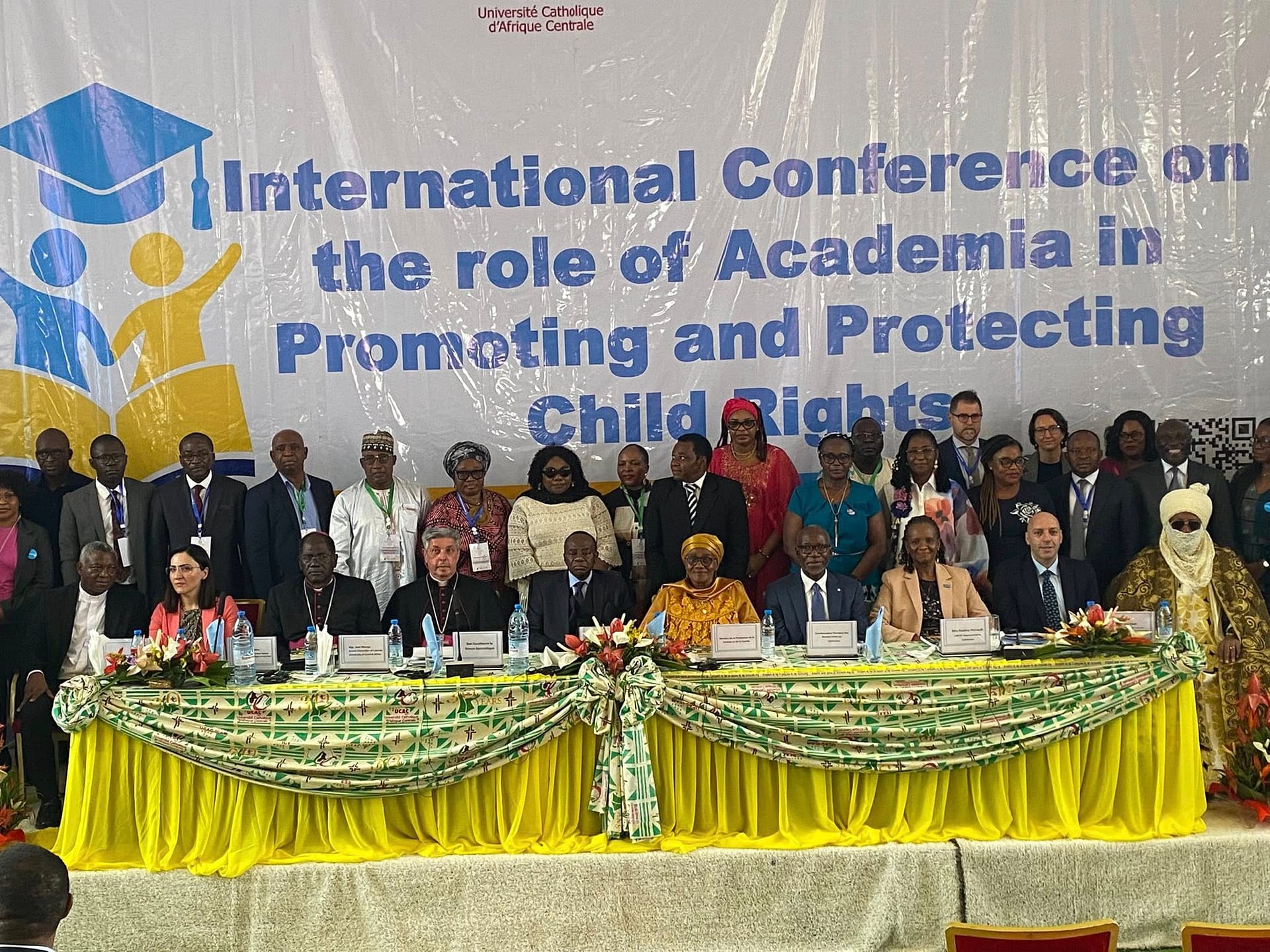
Yaoundé, Cameroon – over two days, policymakers, academics, and young advocates converged at the Catholic University of Central Africa from 19-20 November, 2025, to explore how education, faith, and community can protect and promote children’s rights across Africa, highlighting practical strategies and shared responsibility.
By Magnus Ful
The conference opened with a strong reminder from His Excellency José Avelino Bettencourt, Apostolic Nuncio to Cameroon and Equatorial Guinea, that every child carries inherent dignity. “Every child is a gift from the Lord, a living sign of the presence of God,” he said, framing child protection as a matter of justice, responsibility, and faith. He acknowledged ongoing challenges, including violence and exploitation, while presenting reforms within the Catholic Church designed to foster prevention and accountability. Bettencourt called on the university to lead through ethical formation, research, and collaboration with partners such as UNICEF, concluding that “a people that does not protect its children has no future.”
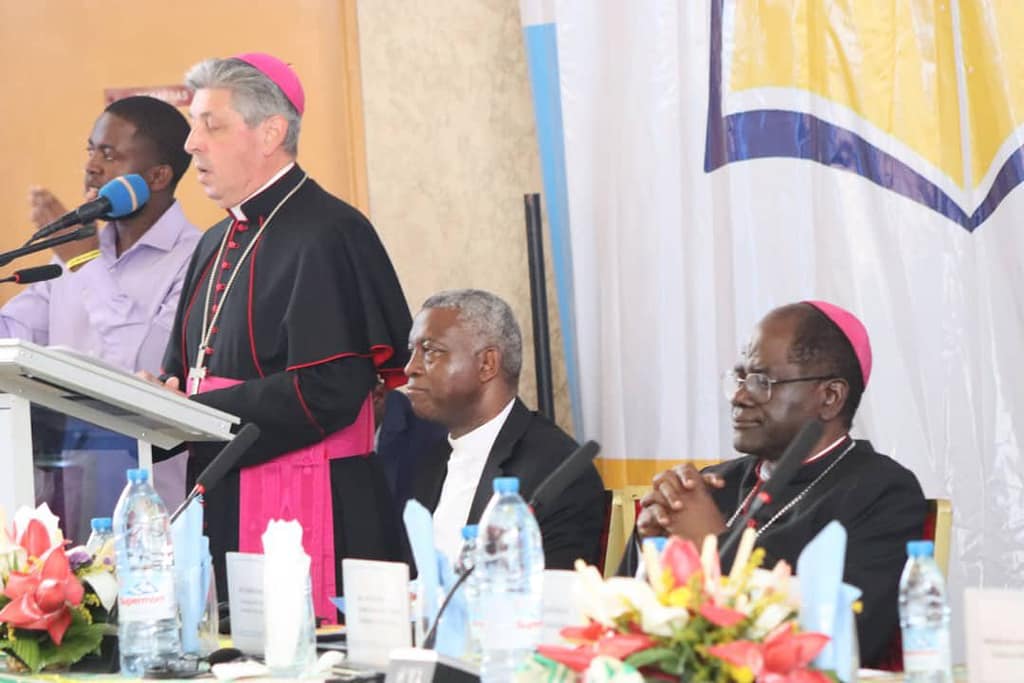
Faith in Action: Moral Duty Meets Practical Protection
The Nuncio’s remarks set the tone for discussions linking faith, culture, and protection. Religious and traditional leaders stressed that safeguarding children is a collective responsibility rooted in african values. The sessions highlighted how faith communities can guide ethical behavior, support policies, and reinforce accountability, ensuring that protection moves from principle to practice in homes, schools, and local communities.
Universities as Engines of Change
Minister of Higher Education Professor Jacques Fame Ndongo framed universities as central to translating rights into action. Child rights centers at Cameroonian universities equip educators, students, and children to understand and defend rights while generating research that informs government policy. Rector Thomas Bienvenu Tchoungui emphasized combining theory with practice, ensuring academic programs strengthen public education, train future professionals, and foster local expertise, all while advancing a vision where children’s wellbeing drives national priorities.
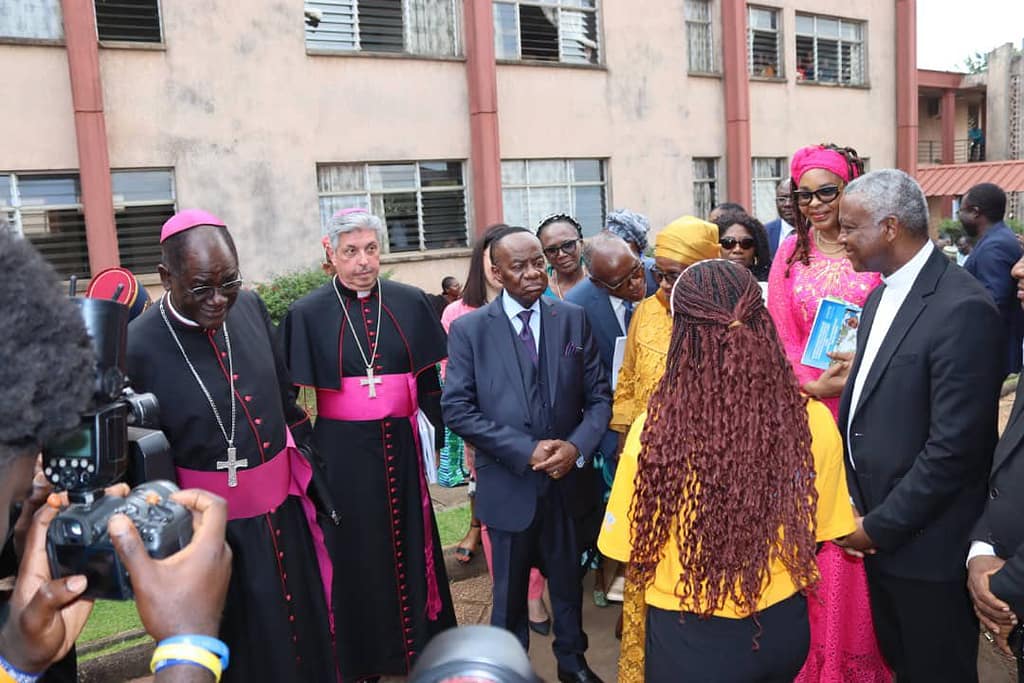
Global Ideas, Local Impact
International experts celebrated Cameroon’s pioneering role, sharing insights from networks across Europe and Africa. Sessions showcased partnerships that combine technical expertise with cultural sensitivity. Young people participated directly, shaping dialogue on education, health, and policy. The conference concluded with the launch of a UCAC master’s program on children’s rights and the endorsement of the Declaration of Yaoundé, signaling a new era of collaborative, evidence-based, and culturally informed protection strategies.
By connecting faith, education, and international cooperation, the Yaoundé conference demonstrated that child protection succeeds when communities, universities, and governments act together, guided by both knowledge and moral commitment.