
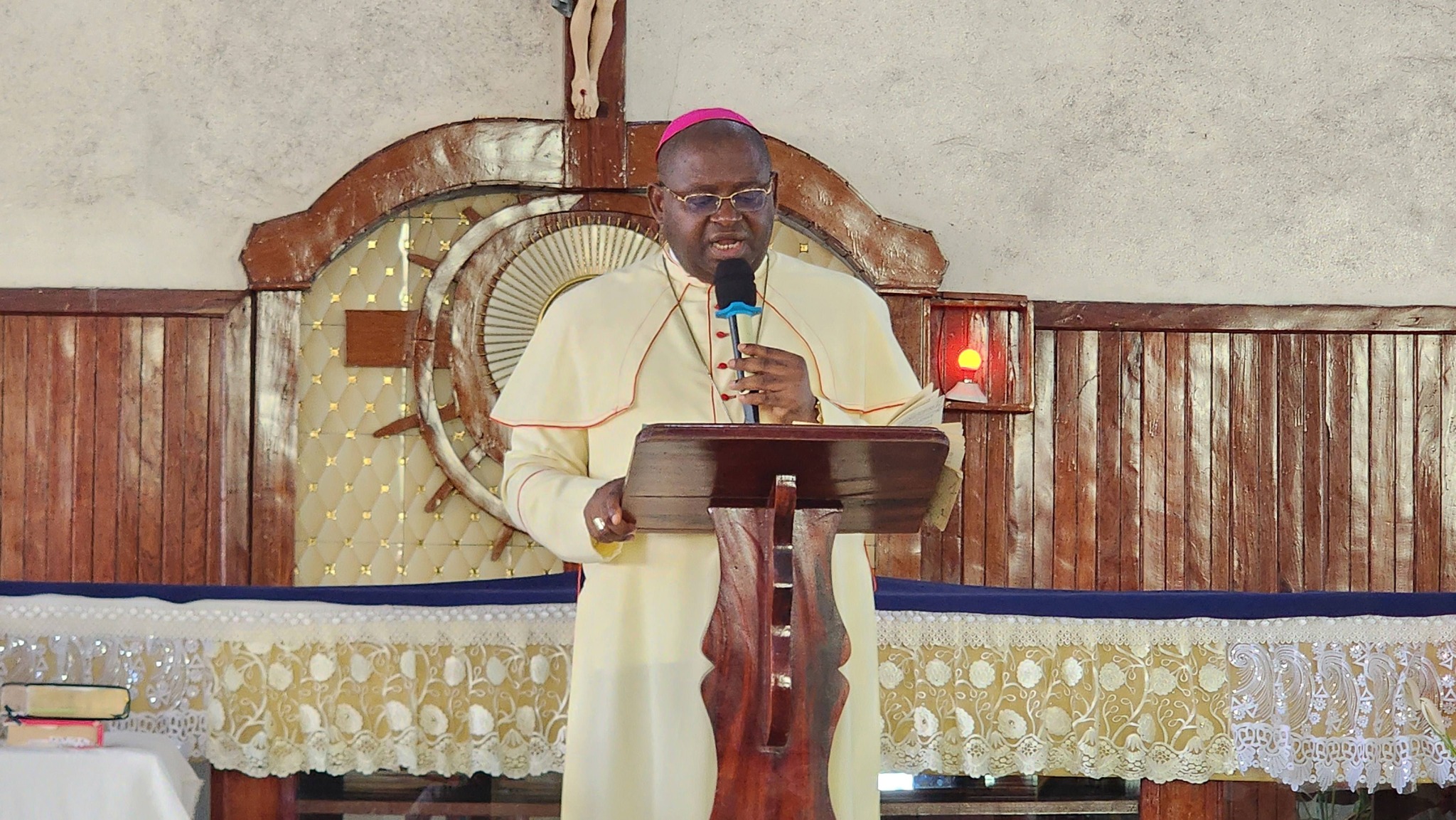
Bishop Michael Bibi calls for ethical press freedom in Cameroon, stressing truth, responsibility, and journalism standards amid pressure, AI use, and misinformation risks.
By Magnus Ful
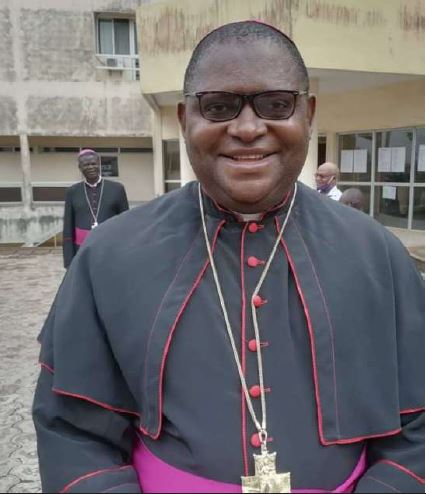
Bishop Michael Bibi, Bishop of Buea and President of the Episcopal Commission for Social Communication, uses World Press Freedom Day 2026 to underline a key message for Cameroon’s media landscape. Press freedom, he says, must serve truth, strengthen trust, and protect the public good.
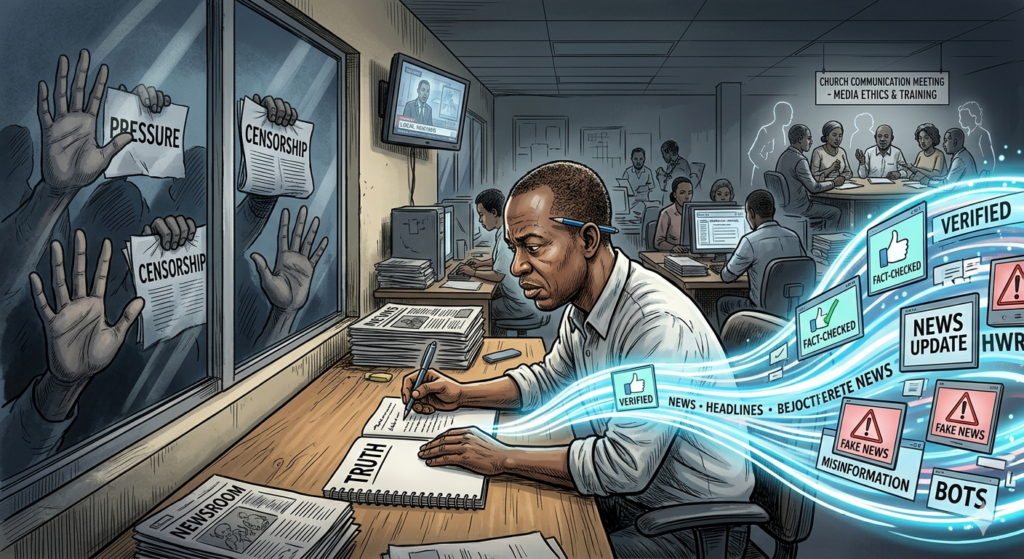
Press Freedom Under Pressure in Cameroon
In Cameroon, this message reflects the daily reality of journalism. Media professionals often work under political pressure, limited resources, and strong competition for audience attention. In this context, some journalists rely on unverified social media content. Others publish stories quickly without proper fact checking. In some cases, paid content is not clearly labeled, which raises concerns about transparency and weakens media credibility.
At the same time, the Church in Cameroon has been working on improving communication standards. During the 9th National Council of Catholic Communicators in Yaoundé on 23 February 2026, participants focused on artificial intelligence, digital communication, and ethical journalism. The discussions highlighted the need to balance new media tools with strong professional responsibility.
Ethics, AI, and the Responsibility to Restore Trust
Bishop Bibi also stresses that challenges in journalism are not only external. Internal newsroom practices play a major role in shaping public trust. Sensational headlines, lack of balance, and weak verification processes reduce the credibility of news reporting in Cameroon. Over time, this affects how the public perceives the entire media sector.
In addition, artificial intelligence is changing how news is produced and distributed. While AI tools improve speed and efficiency in journalism, they also increase the risk of misinformation when content is not properly checked. This makes editorial responsibility even more important in today’s digital media environment.
For this reason, Bishop Bibi insists that human judgement must remain at the centre of journalism in Cameroon. Technology should support reporting, not replace ethical decision making.
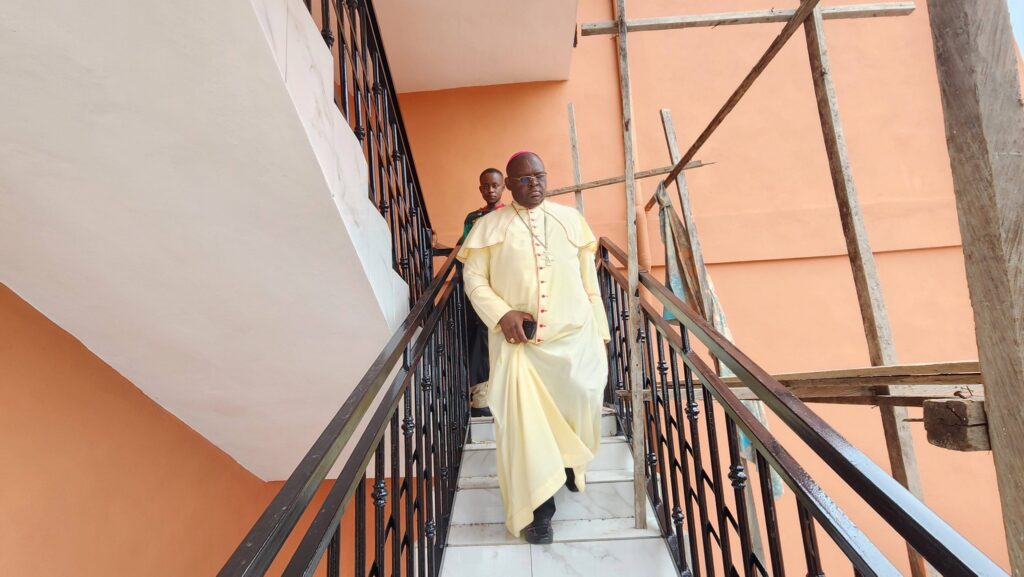
He further recalls that journalism is a professional and moral duty. It requires accuracy, fairness, and respect for human dignity. Without these principles, press freedom becomes weaker and less meaningful in practice.
In conclusion, Bishop Michael Bibi calls for stronger journalism ethics in Cameroon. He argues that press freedom, media responsibility, and professional integrity must work together. Only then can journalism fully support democracy, peace, development, and public trust in Cameroon’s evolving media landscape.
No comment! I am releasing this message cause I would like to get in contact with the responsible of effort camerounais. am a student in communication, religious priest.